When you upload a photo to cloud storage, you understand at least roughly where it lives. Somewhere there are servers holding that file. When your company has a database, there is infrastructure behind it storing the records.
But blockchain is described as decentralized. So where is it actually stored?
Is there one central blockchain server somewhere? Does every participant hold a complete copy of everything? Is it all floating in the cloud?
The honest answer is that there is no single universal location. Blockchain data is maintained across the computers participating in a particular network, according to how that network is designed.
The data lives across the network
A node is a computer participating in a blockchain network. Different types of nodes may store or process different amounts of information depending on the blockchain in question.
Some nodes maintain a full copy of the blockchain's recorded history. Others may hold only what is needed for their specific role. The exact model varies between networks.
The core difference from a traditional system is this. In a conventional setup, one organisation's database is typically the central source of record. Blockchain networks can distribute that record across multiple participating machines, so no single administrator holds exclusive control over the complete history.
That distribution is the fundamental departure from how most business systems work today.
What is actually stored on-chain
When something is described as stored on-chain, it means that information has become part of the blockchain's recorded state or transaction history according to that network's design.
Depending on the blockchain, this might include things like transaction records, timestamps, account information, ownership transfers, smart contract activity, or references to other information held elsewhere.
Different blockchain networks are designed differently, so the exact types of on-chain data vary. The important conceptual point is that whatever ends up on-chain becomes part of the network's shared record, linked to what came before it.
Should everything go on-chain?
No. This is where the conversation about blockchain storage gets genuinely important.
Businesses sometimes assume that adopting blockchain means migrating their existing data onto it. That approach misunderstands what blockchain is good for.
Storing large volumes of information directly on-chain can be expensive, inefficient, and difficult to scale. It can also create serious privacy concerns. A blockchain is not a replacement for every database, cloud storage system, or file server inside an organisation.
The engineering question is not how much data can be put on-chain. It is which data actually belongs there.
On-chain and off-chain storage working together
Most well-designed blockchain applications combine two things.
Off-chain storage holds the detailed, large, or sensitive information inside traditional databases, cloud platforms, or private enterprise systems. These are the right tools for that kind of data.
The blockchain then holds a smaller, specific set of information that serves a verification or coordination purpose. This creates a hybrid architecture where each part of the system does what it does best.
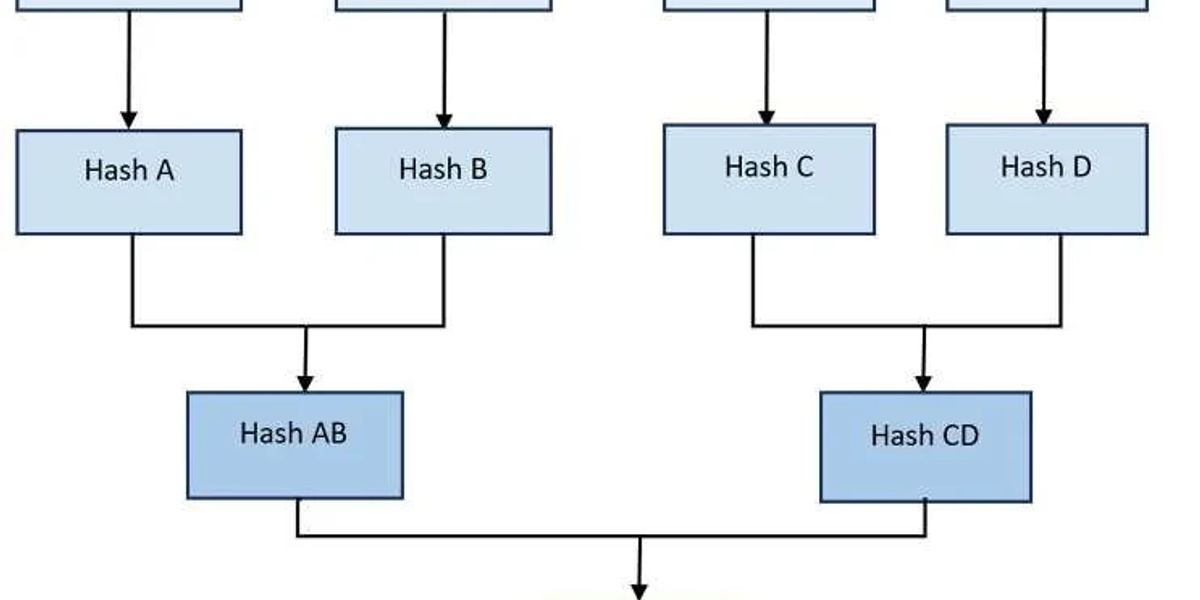
Here is a practical example. A company needs to verify an important business document. The entire document does not need to sit on the blockchain. It can remain in secure company storage where it belongs. What gets recorded on-chain is a hash of that document.
A hash is a digital fingerprint created from data. If the content of the document changes, even slightly, the resulting fingerprint changes. By recording the hash on-chain, the company creates a tamper-evident reference point. Later, anyone checking the document can generate a new hash from the current version and compare it to the on-chain record. A match provides evidence that the document is consistent with the version represented at the time it was recorded.
One important clarification: a hash is not a copy of the document. It generally cannot be used to reconstruct the original. It is only a fingerprint, and that is exactly what makes it appropriate for blockchain storage.
Why sensitive data should not go directly on-chain
Blockchain records are designed to be persistent. Depending on the network, data recorded on-chain may also be visible to multiple participants or even publicly accessible.
That creates a clear design consideration for business applications. Personal information, confidential contracts, customer records, and sensitive internal documents do not belong directly on most blockchains. Placing them there could conflict with privacy obligations and create risks that a conventional database would never introduce.
Good blockchain architecture is as much about deciding what not to put on-chain as deciding what to record there.
How the pieces fit together
Imagine a supply chain application. The company's normal systems hold product descriptions, photos, shipping documents, customer information, and detailed internal records. Those stay where they are.
The blockchain records specific transaction events, selected ownership or transfer information, timestamps that prove something happened, and hashes referencing external documents where verification matters. Both systems operate together. The blockchain provides specific capabilities inside a larger architecture without replacing everything else.
About Wave Group
At Wave Group, the first question in any blockchain engagement is what actually belongs on-chain. Not how to put everything there.
The relevant questions are: what information needs shared verification across multiple parties, what should remain private, what requires a permanent and tamper-evident record, and what should stay inside existing enterprise systems. From there, blockchain integrates with databases, cloud infrastructure, APIs, cybersecurity layers, and existing enterprise systems to create an architecture that fits the business problem.
The objective is never maximizing blockchain usage. It is choosing the right design for the job.
So where does blockchain store data? Across participating nodes, according to each network's design. But real applications combine on-chain and off-chain information thoughtfully.
The meaningful question is not how much data you can put on a blockchain. It is understanding which data belongs there in the first place.
