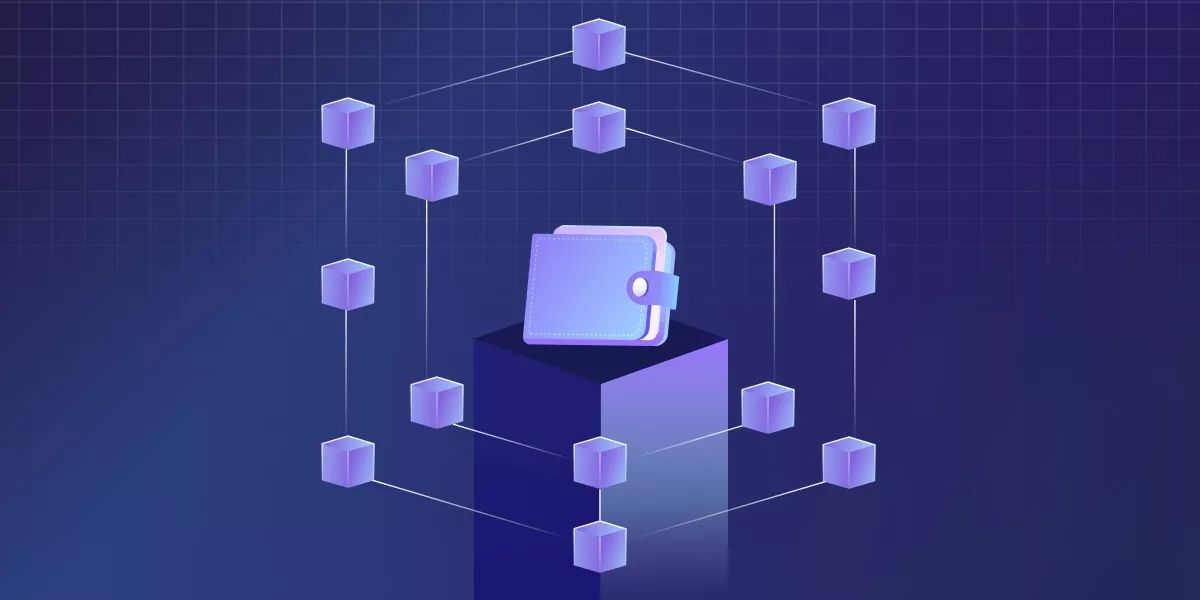
When people hear the words digital wallet, they naturally picture something familiar. A place where you store value. You open it when you need it. Everything is inside.
A blockchain wallet works differently. The digital records it relates to are not physically sitting inside an application on your phone or computer.
So what does a blockchain wallet actually contain, and what does it actually do?
Think of the wallet as access, not storage
A blockchain wallet provides a way for a person or organisation to interact with blockchain accounts and applications. It can display information connected to an account. It helps the user initiate actions. Most importantly, it helps the user prove they are authorized to perform those actions.
A simple comparison can help. A banking application does not contain the money in your account. It provides an interface through which you access and manage that account. A blockchain wallet plays a similar role at the interface level, though the underlying architecture is quite different.
The wallet is the bridge between the user and the blockchain.
The public address
Every blockchain account has an address. Think of it as an identifier that tells the network where an action is being directed.
Other participants or applications can reference that address when interacting with the account. Knowing the address does not give someone control over the account. It simply identifies where something is going or where an interaction is aimed.
The address identifies. It does not authorize.
The private key
Control comes from something different: the private key.
A private key is secret information that proves an action has been authorized by whoever controls the account. When you perform an action through a wallet, the wallet uses that private key to generate authorization. The private key itself should remain private and is not shared with the network.
The important point for this article is that the wallet manages this process on behalf of the user. You do not need to manually work with cryptography every time you do something. The wallet handles that complexity underneath.
What happens when you use the wallet?
Imagine an employee using a blockchain-based certificate system. They open the application. Their blockchain identity is connected through the wallet. They choose to issue or approve a certificate. The wallet helps authorize the requested action. The application processes it according to its rules. The employee sees a confirmation.
The wallet's role throughout is to connect the user's identity and authorization to the action being requested. It is the point at which the person and the blockchain system meet.
Wallets as a gateway to blockchain applications
Wallets can do more than display account information. They can serve as a connection point between a user and a blockchain application.
An application can recognize the relevant blockchain account when a wallet connects to it. When an action requires authorization, the wallet presents it to the user for approval. Once approved, the application proceeds.
The relationship is straightforward: application requests action, wallet asks the user, user approves, blockchain processes the result.
Blockchain wallets do not have to look like crypto wallets
This is one of the most important points for business readers.
When organisations hear the phrase blockchain wallet, they may picture a standalone application filled with addresses, technical information, and unfamiliar interfaces. That does not have to be the user experience.
In enterprise applications, blockchain complexity can sit behind a familiar interface. A customer might use a normal mobile application. An employee might use a company platform they already recognize. A supplier might use a standard web portal. Blockchain-based identity and authorization can operate underneath without requiring the user to think about the infrastructure supporting it.
Good blockchain infrastructure does not need to feel complicated to the person using it.
About Wave Group
How users and organisations interact with a blockchain system is an architecture and design decision as much as a technical one. The right questions are not which wallet to add. They are who needs access, what they should be able to do, how authorization should work, and how much complexity should remain behind the application rather than in front of the user.
Wave Group designs blockchain solutions that account for the complete experience, combining infrastructure, identity, authorization, application interfaces, and integration with existing business systems.
A blockchain wallet is not a pocket containing digital assets. It is a tool that helps connect a user to blockchain accounts and applications, provides access, and makes authorization usable.
The best blockchain wallet experience may be the one where the user barely notices the blockchain is there at all.
