Businesses have spent years making everything faster. Faster communication, faster payments, faster decisions and faster customer service. The results have been significant and the benefits are real.
But can people actually trust the systems making all of this possible?
Trust is no longer just about people
For most of business history, trust was built through human relationships. Customers trusted the people they spoke with. Employees trusted their managers. Partners trusted connections built over years of working together.
That is still true. But something has shifted beneath it.
Today, a significant part of every business relationship runs through digital systems. Customers interact with platforms more often than they speak with people. Employees rely on software to organize their work and support their decisions. Businesses depend on automated workflows to keep operations moving. The systems themselves have become part of the relationship, whether organisations designed them that way or not.
When a system fails, the trust can erode very quickly.
What actually builds trust in digital systems
Trust in technology does not arrive automatically. It is built from several things working together consistently over time.
Transparency in how decisions get made. Data that is reliable and consistent across every part of the operation. Processes that behave the same way every time rather than differently depending on who is watching. AI systems that can be explained rather than simply accepted. Records that can be verified when questions arise. Clear governance over who is responsible for what.
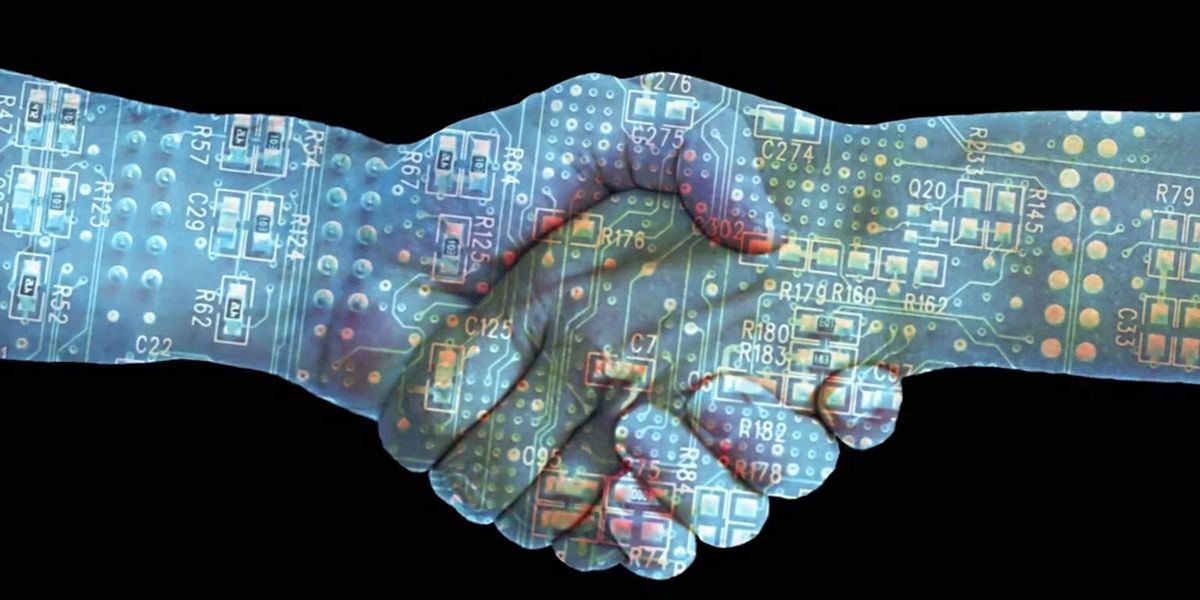
Technologies like blockchain contribute to this by creating records that are transparent and tamper-evident in situations where verification matters, such as supply chains, contracts, compliance, and multi-party transactions. The value is not the technology itself. The value is the confidence it creates in the information people depend on.
Why trust creates direct business value
Trusted systems do more than protect reputation. They actively improve how a business operates.
Customers adopt new services more readily when they feel confident in how their information is handled. Employees use AI tools more effectively when they understand and trust what those tools are doing. Partners collaborate more openly when shared records are reliable rather than disputed. Compliance becomes less burdensome when processes are already transparent and verifiable. Disputes decrease because the information trail is clear.
Trust removes friction. And removing friction improves performance across every part of the organization.
Why this matters as AI and automation expand
AI is taking on a growing share of the decisions that used to require a person. Automated workflows are handling more of the coordination that used to involve human oversight. As that continues, organisations cannot rely on efficiency alone to maintain the confidence of the people inside and outside the business.
Customers want to know their data is handled responsibly. Employees want to know AI is supporting their work fairly. Regulators want to know decisions can be explained and verified. Partners want to know the information they are acting on is accurate.
The companies investing in trustworthy digital infrastructure today will be better positioned for the growth, regulation, and customer expectations that are already developing.
About Wave Group
Wave Group helps organisations build modern digital systems where intelligence and trust work together. That includes AI, automation, blockchain, secure architectures, and transparent workflows designed to improve both efficiency and confidence. The objective is not only to build faster systems. It is to build systems that people trust enough to rely on every day.
Technology will continue evolving. AI will keep becoming more capable. Automation will keep expanding into more of how businesses operate.
But the businesses that stand out will not simply be the fastest ones.
They will be the ones that customers, employees, and partners trust the most. In the years ahead, trust will not be separate from technology. It will be built directly into it.
