What If It Was Built Differently? The Case for Blockchain in the UAE Construction Supply Chain
Introduction
The UAE construction industry is moving at a breathtaking pace. With mega-projects reshaping skylines in Dubai, Abu Dhabi, and beyond, demand for precision, speed, and trust across every layer of the supply chain has never been higher.
Like all major construction markets, rapid growth brings complexity from coordinating multiple stakeholders to managing documentation and logistics efficiently.
At Wave Group, we asked a simple question:
What would it look like if blockchain was embedded in every layer of the construction supply chain?
This case study explores that question.
It maps a clear, achievable vision:
- A construction supply chain with blockchain
- A construction supply chain without it
And why now is the time for the industry to choose which future it wants to build.
The Fastest Construction Market in the World
The UAE is not just building, it’s racing. From futuristic smart cities to world-class hotels and iconic skyscrapers, the country has positioned itself as one of the most active construction hubs on the planet.
Billions of dirhams are being poured into infrastructure, commercial developments, and residential projects, all against tight timelines and under the watchful eye of global investors.
Speed is a competitive advantage. A delayed opening of a luxury hotel or a postponed residential handover can cost millions in lost revenue and reputation. In this high-stakes environment, every step in the supply chain matters, from sourcing steel and glass to coordinating contractors and verifying quality standards.
But speed comes with risk. The faster the pace, the more room for:
Miscommunication between suppliers, contractors, and developers
Errors in documentation
Delays in payments or deliveries
Disputes over material quality or project milestones
While some major players operate highly integrated, in-house systems, for many companies the construction supply chain remains a complex, multi-party network where coordination is critical and technology can be the deciding factor.
The Traditional Supply Chain: Built on Trust, Slowed by Friction
In the UAE construction industry, supply chains are vast networks connecting dozens and sometimes hundreds of suppliers, contractors, and service providers.
For companies without fully in-house, vertically integrated operations, supply chains often span multiple contractors, suppliers, and service providers, making a shared, tamper-proof system invaluable for coordination and trust.
Here’s what that looks like in practice:
Multiple Record Systems
Each party maintains its own records, such as spreadsheets, emails and paper files, making it hard to verify which version of the truth is correct.
Slow Verification & Approvals
Certificates, inspection reports, and customs documents often pass through multiple hands, with each step extending timelines.
Limited Transparency
Once materials leave the supplier, tracking them is often limited to phone calls and manual updates. Delays or quality issues are discovered late, when the impact is already costly.
Disputes & Payment Delays
Without a clear, real-time record of deliveries, milestones, and quality checks, disagreements over responsibilities are common. Payments are withheld, creating tension in the chain.
Risk of Counterfeit or Non-Compliant Materials
In high-value projects, the inability to fully trace materials from origin to site can allow low-quality or fraudulent components to slip through.
In such a high-paced market, any gap in visibility or coordination can create delays or added costs — making unified, real-time information more important than ever.

Rebuilding the Chain With Blockchain
A blockchain-enabled supply chain replaces trust you have to earn with truth you can verify.
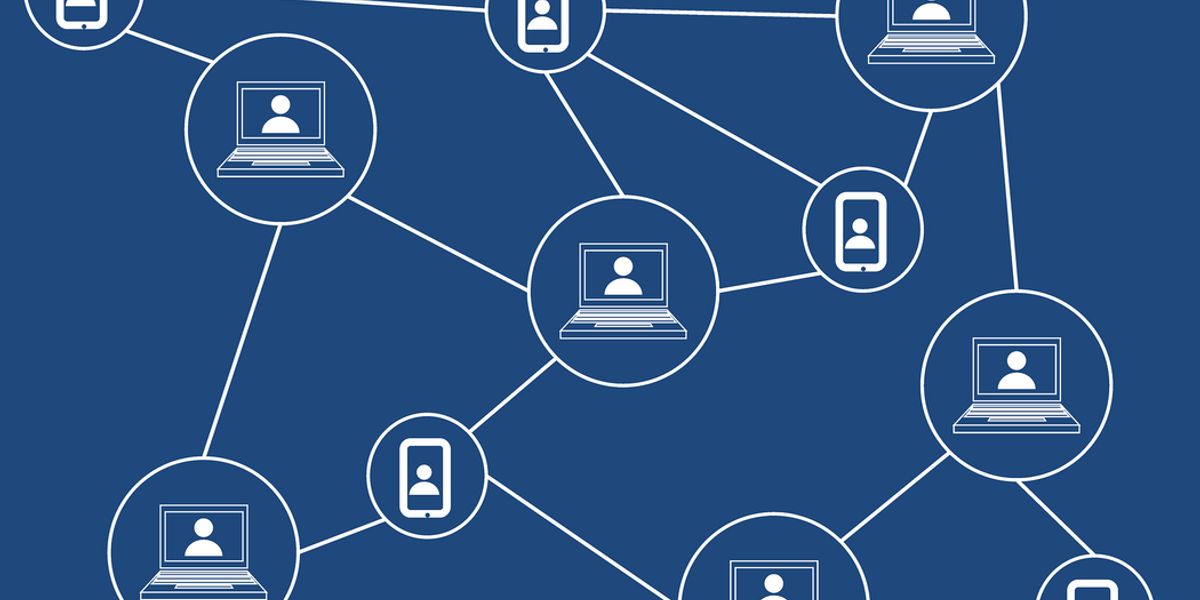
Instead of fragmented systems and delayed communication, every action from procurement to installation is logged in a shared, tamper-proof ledger visible to all authorized parties.
Here’s how the same chain looks with blockchain in place:
Procurement → Verified & Shared
Purchase orders, supplier credentials, and material specifications are recorded on the blockchain, accessible to all relevant parties in real time.
Shipping → Real-Time Tracking
GPS and IoT sensors feed live data to the blockchain, updating everyone on location, status, and environmental conditions of materials.
Customs → Faster, Paperless Clearance
Digital documents stored on-chain are instantly verifiable by customs, cutting clearance times from days to hours.
Delivery → Automatic Milestone Verification
Smart contracts confirm delivery against agreed specs and trigger instant payments, eliminating delays and disputes.
Installation → Full Material Traceability
Every material used can be traced back to its origin, along with quality certifications and compliance checks, reducing the risk of failures or recalls.
The result is a faster, more transparent, and more resilient supply chain that is built for the speed and scale of UAE construction.
Two Futures for the Same Supply Chain
The difference between a traditional construction supply chain and a blockchain-powered one isn’t cosmetic, but it’s structural.

One follows traditional, separate information flows that depend on manual verification and scheduled communication.
Here’s how the two compare:
Stage | Without Blockchain | With Blockchain |
Procurement | Data silos, manual approvals | Verified data, instantly shared |
Shipping | Limited real-time tracking | Continuous location & condition tracking |
Customs | Paper-heavy, slow clearance | Instant verification, faster clearance |
Delivery | Verification delays, frequent disputes | Automatic milestone-based payments |
Installation | Quality issues discovered late | Complete traceability for all materials |
Choosing the Future You Build
The UAE construction market is in the midst of one of the most aggressive growth cycles in the world. The projects rising today will define the country’s skylines and its reputation for decades.
Yet the success of those projects depends not just on design and engineering but on how the supply chain delivers.
Traditional methods can keep the chain moving, but they often limit the speed, visibility, and adaptability that new technologies can provide. Blockchain offers a fundamentally different approach: one where every supplier, contractor, and regulator operates from the same source of truth.
With blockchain embedded into the supply chain:
Delays are reduced because verification happens instantly
Disputes drop because every milestone is tracked and agreed upon automatically
Material quality is no longer a question; every component can be traced back to its origin
This isn’t a distant vision. The technology exists. The process is proven. And in a high-stakes market like the Emirates, the advantage goes to those who adopt early.
At Wave Group, we bring the expertise to design and deploy blockchain-enabled supply chain solutions tailored for the speed, scale, and regulatory demands of UAE construction. We design blockchain-powered supply chains that move faster, work smarter, and set the pace for the industry.
The skyline is rising. The question is: will your supply chain rise with it?
Let’s build the future together.
